Many organizations pursue operational efficiency by introducing new software. The assumption is simple: better technology produces better results. Yet many teams continue to struggle even after implementing modern platforms. The real barrier often lies in understanding how work happens.
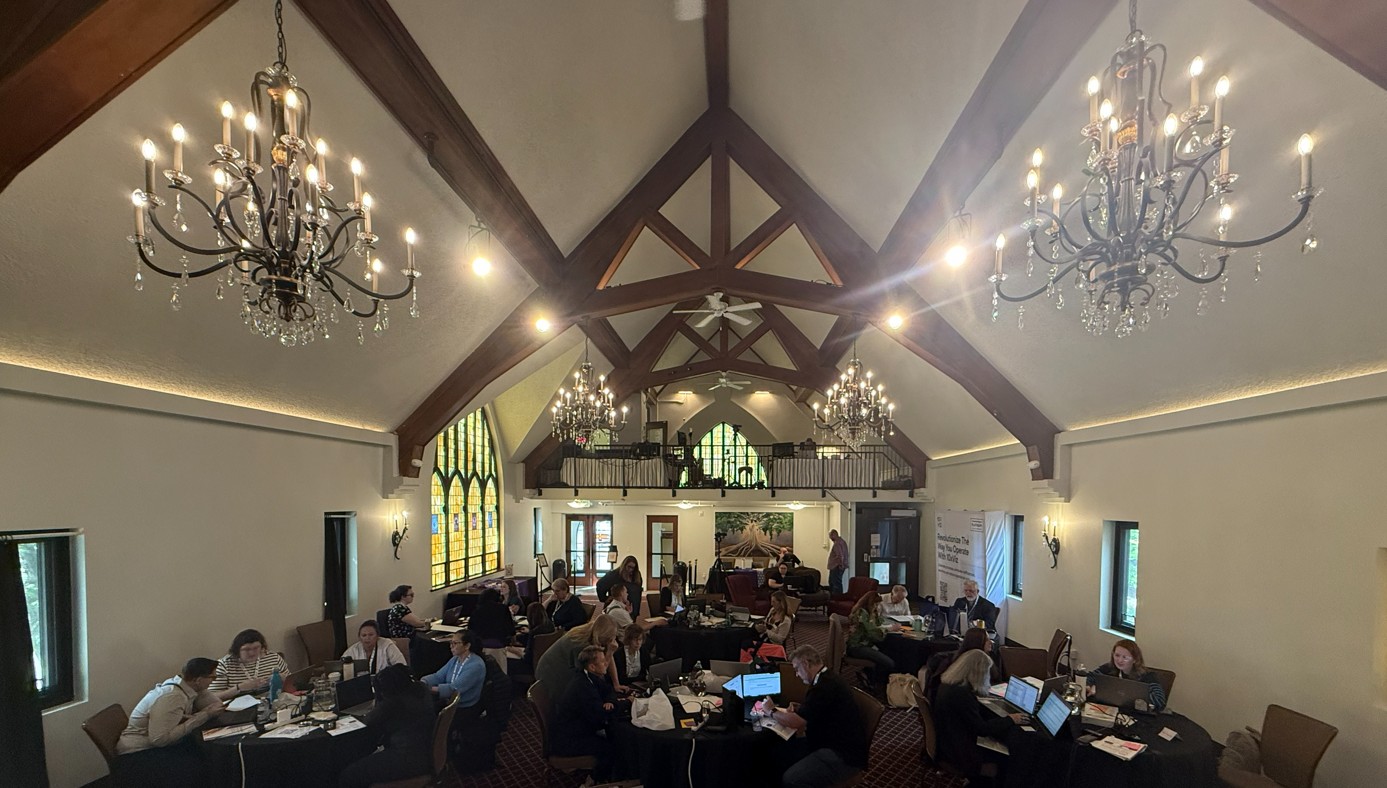
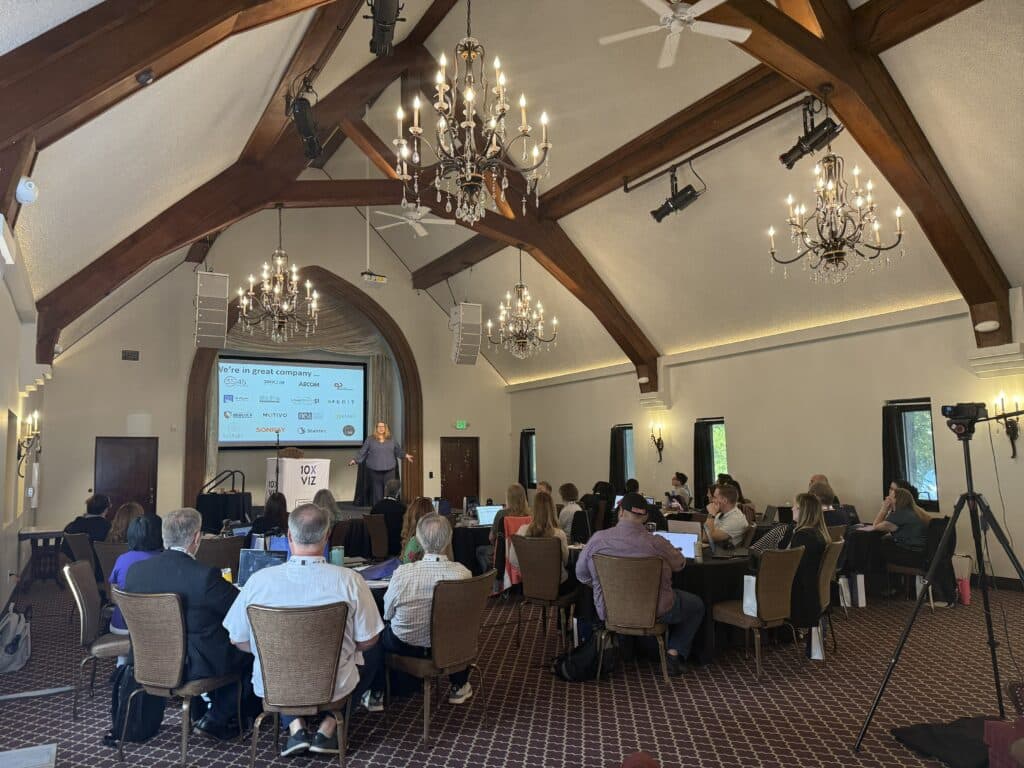
At 10xViz’s Efficiency Live: The Ultimate Smartsheet Bootcamp, attendees explored a different approach. The focus centered on analyzing work before optimizing it.
David attended the bootcamp seeking a digital solution for his organization. His initial goal was to improve operations through technology. What he encountered was a structured method for evaluating effort, workflow structure, and user needs.
“I’m here to learn more about bringing a digital solution to our working environment,” he said. “This helps us identify how much effort it actually takes to set up a project, support a project, and deliver a project.”
Rather than starting with configuration or automation, the 10xViz team emphasized visibility. Participants examined each phase of work and measured the effort behind outcomes.
The challenge: Efficiency without operational visibility
Organizations frequently attempt improvement by accelerating activity instead of clarifying it. Projects appear straightforward on paper yet involve coordination layers, communication loops, and decision delays that remain hidden.
Before Efficiency Live, David viewed efficiency primarily through the lens of faster execution. During the bootcamp, he recognized that performance depends on understanding structure before accelerating it.
“The ‘aha’ moment was being able to break down what it takes to develop this solution,” he added.
By mapping effort step by step, teams can identify redundant actions and unclear responsibilities. Work becomes measurable instead of assumed. This change allows technology decisions to follow operational reality rather than precede it.
A shift in perspective
The Efficiency Live bootcamp introduced a change in thinking. Teams often treat software as a solution rather than a tool that supports a defined system.
“Be prepared to change the way you think about some of the solutions that you currently have,” noted David, an architecture, engineering, and construction professional.
Participants learned to evaluate workflows from the user perspective. Instead of asking how a platform functions, they examined how people interact with processes. This perspective revealed gaps between intended workflows and real behavior.
David found that this method improved his understanding of outcomes.
“This is very helpful to break down what it really takes to understand what the end user may need,” he said.
Once the workflow reflected real behavior, technology choices became clearer. Automation gained meaning because it addressed verified effort instead of assumptions.
Practical outcomes
By the end of the bootcamp, participants possessed more than theoretical insight. They gained a repeatable process for evaluating operational performance.
Key outcomes included:
- Clearer project definition: Teams defined project scope based on measurable effort rather than assumptions.
- Better technology alignment: Software selection and configuration aligned with real workflows.
- Reduced operational waste: Redundant steps became visible and removable.
- Improved stakeholder understanding: Communication improved because expectations matched documented process steps.
The most important change involved decision-making. Instead of reacting to inefficiency symptoms, teams could analyze root causes.

Efficiency begins with understanding
Efficiency Live: The Ultimate Smartsheet Bootcamp demonstrated that operational improvement starts with visibility. When teams measure effort and define responsibility, Smartsheet becomes a multiplier of effectiveness.
David arrived seeking a better digital solution. He left with a method for evaluating problems logically and designing workflows intentionally.
Organizations that adopt this mindset move beyond temporary optimization. They create systems capable of adapting as requirements change.
Teams interested in meaningful operational improvement benefit from analyzing work first and implementing tools second. That sequence produces lasting clarity, predictable delivery, and scalable efficiency.
What would better operational efficiency mean for your organization? Find out at 10xviz.com.